
Peninsula Highlights
7 Days Overland Kuala Lumpur- Malacca- Cameron Highlands-Penang
Overview
We commence our journey in Kuala Lumpur, where the very heart of the nation beats with fervent might. Glass towers, lofty and gleaming, stand shoulder to shoulder with venerable mosques and proud colonial walls. Lo, a city ever in motion, reshaping itself with each passing day. The Petronas Twin Towers reign supreme o’er the skyline, their brilliance casting light upon the bustling streets below, and even the locals, in silent awe, lift their eyes with pride.
Southward we wend our way to Malacca, where history whispers from every stone. Tread its narrow lanes and behold the marks of Portuguese, Dutch, and British hands—in architecture, in tradition, in the lingering customs of the folk. Here, the town bids thee slow thy pace, for past and present intertwine as though dancing together, seamless and eternal.
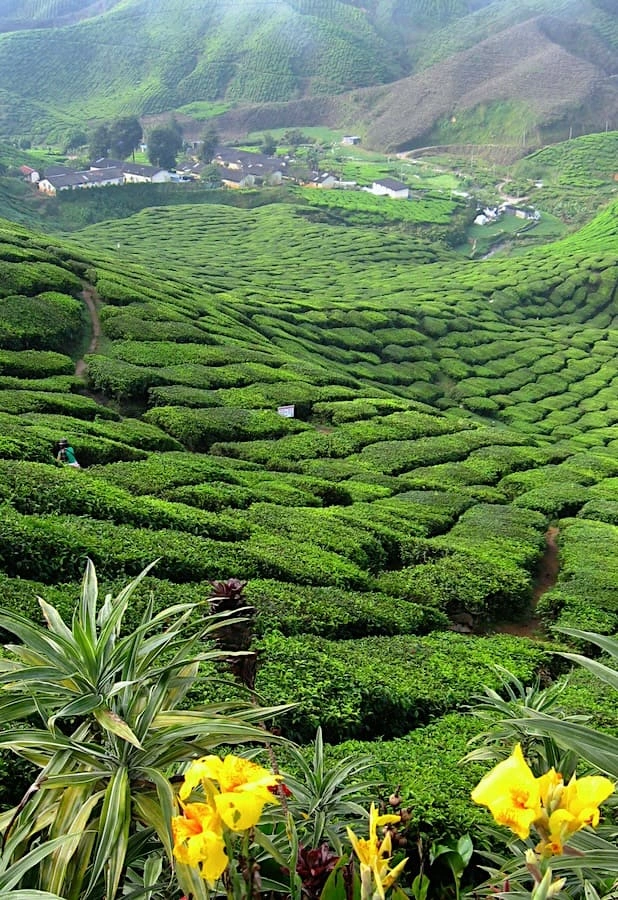
Onward still, we ascend to the Cameron Highlands, where the air grows crisp and the hills unfold in verdant waves. Valleys are adorned with tea bushes, planted in neat, patient rows, and a hush of calm settles upon the land. Here, the people come to inhale the pure mountain air and sip their steaming tea, whilst time itself seems to drift with gentle slowness.
At last, we reach Penang, an isle alive with color and spirit. The streets hum with murals and shophouses, where artistry and life converge. Each wall, each corner, tells a tale, a story of the people’s heart and soul. Wander here, and the island’s vibrant, dreamlike energy envelops thee, leaving memory and wonder in equal measure.
- Kuala Lumpur & the Petronas Twin Towers
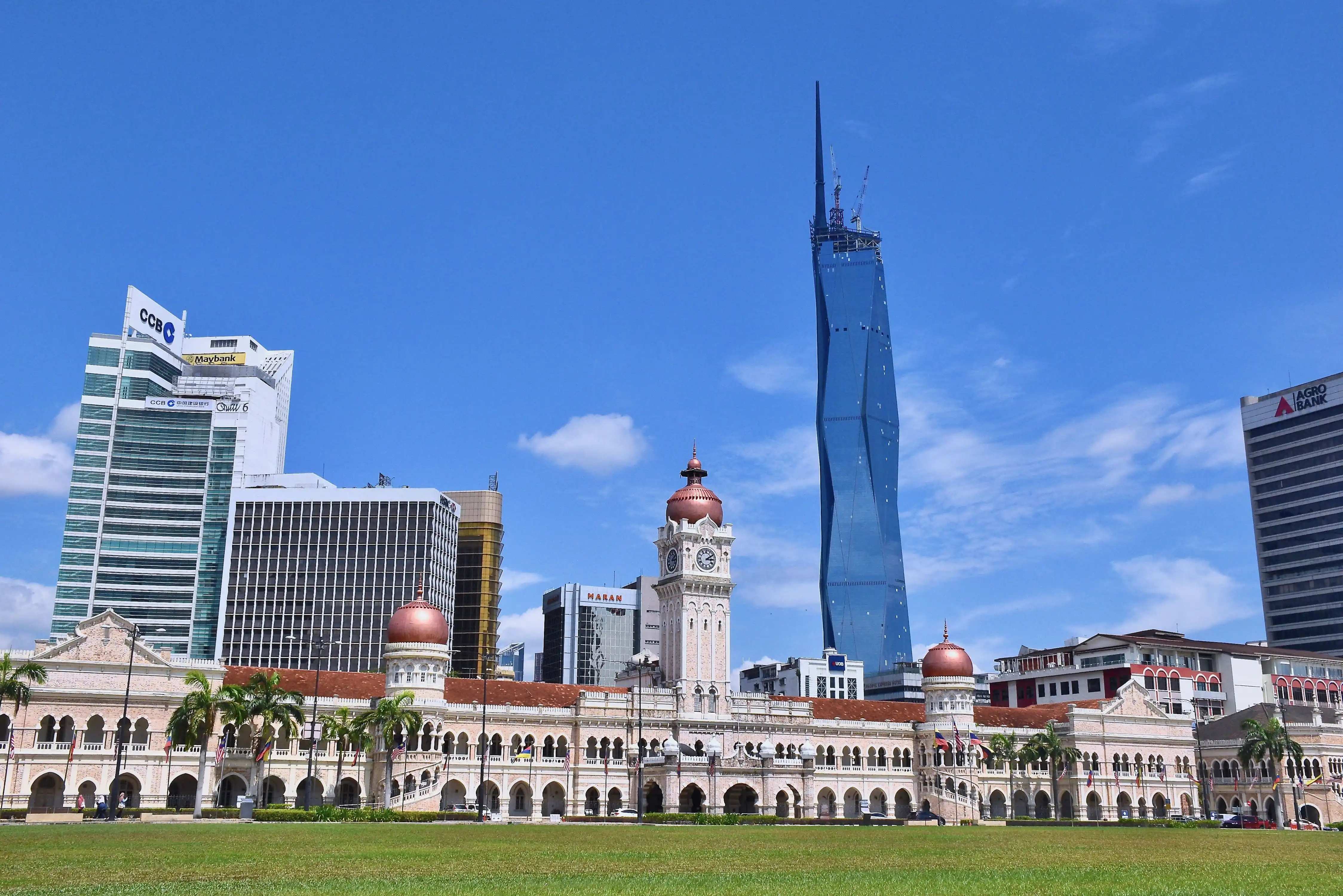
Begin in the vibrant heart of Malaysia, where soaring towers meet historic mosques. Gaze upon the iconic Petronas Twin Towers as they shimmer above bustling streets, a perfect blend of modernity and tradition. - Malacca’s Living History
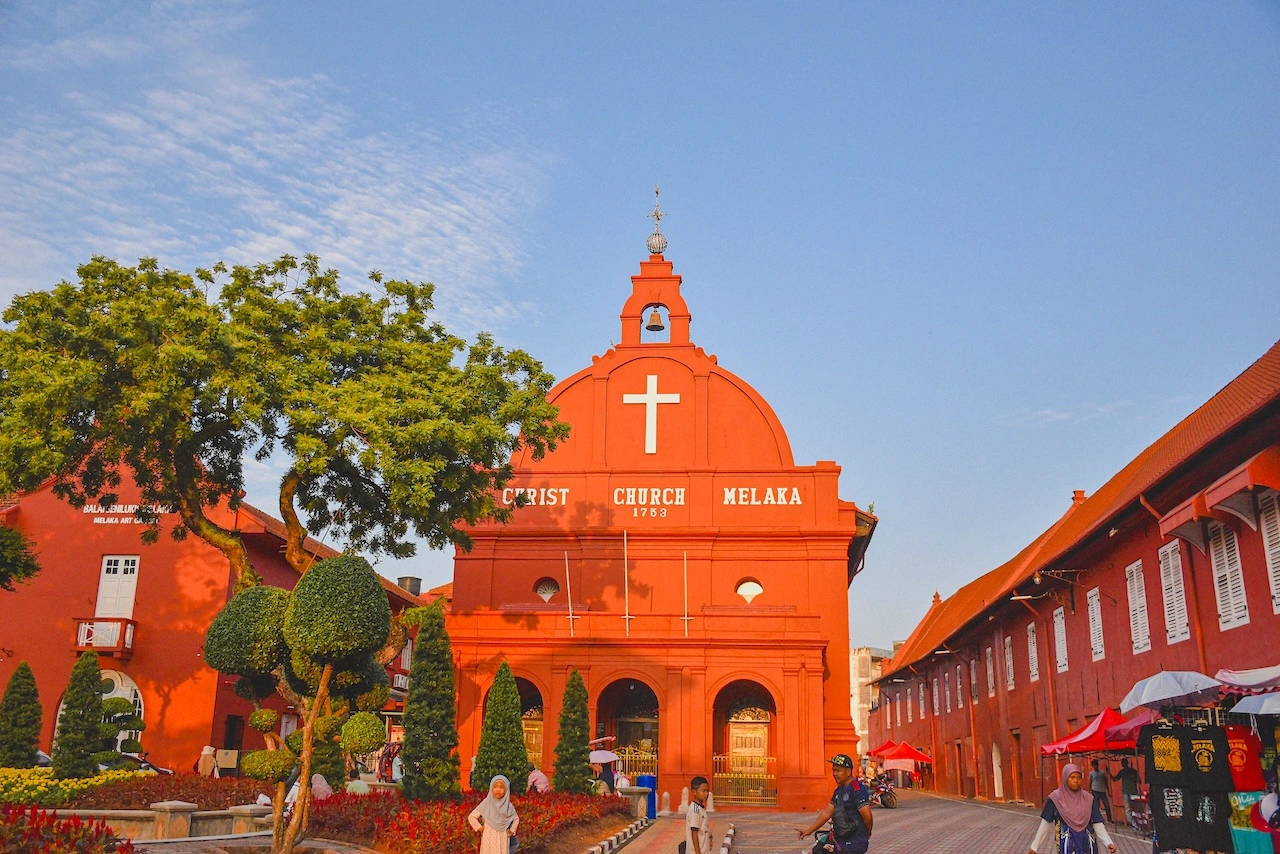
Step into centuries past in Malacca, where every corner tells a story. Wander through Red Square, climb St. Paul’s Hill for sweeping views, and explore A Famosa Fort—a city where Portuguese, Dutch, and British influences still linger in streets and customs. - Cameron Highlands’ Rolling Hills & Tea Plantations
Escape to the cool highlands, where emerald valleys stretch endlessly and tea plantations carpet the hills. Enjoy the fresh mountain air, sip locally brewed tea, and witness the peaceful rhythm of life in this serene retreat. - Penang’s Art, Streets & Heritage
Discover George Town, a vibrant canvas of murals, heritage shophouses, and lively streets. Stroll through Little India, Armenian Street, and the Chinese clan houses, and feel the island’s creative spirit and cultural heartbeat with every step. - Authentic Local Encounters
From bustling markets to quiet village visits, this journey is filled with genuine experiences. Taste local delicacies, meet friendly locals, and gain a deeper understanding of Malaysia’s people, traditions, and ways of life.
- private air-conditioned transportation
- entrance/ticket fees for the attractions mentioned in the itinerary
- fully guided experience
- hotel/accommodation for the guest
- travel insurances
- personal expenses
- other entrance tickets and/or other activities not mentioned in the itinerary
- meals
Full Itinerary
Your journey in Malaysia begins the moment you arrive at Kuala Lumpur International Airport (KLIA). After clearing immigration and collecting your luggage, step into the arrival hall where I’ll be waiting for you—placard in hand, clearly displaying your name so you can spot me easily. It’s always a reassuring sight after a long flight, and from there, you can relax knowing everything else is taken care of.
We’ll take a moment to greet each other before making our way to the vehicle. The transfer into the city is smooth and comfortable, offering your first glimpses of Malaysia as highways stretch past palm plantations and city outskirts. I usually keep this ride easy and unhurried—it’s your first day, after all.
Upon arrival at your Kuala Lumpur hotel of choice, I’ll assist with the check-in process and make sure you’re settled in comfortably. The rest of the day is yours to unwind, recover from the journey, or explore nearby at your own pace. Whether you choose to rest, enjoy the hotel facilities, or take a gentle walk around the neighbourhood, this first day is about easing into the rhythm of the city.
No schedules, no rush—just time to settle in and get ready for the experiences ahead.
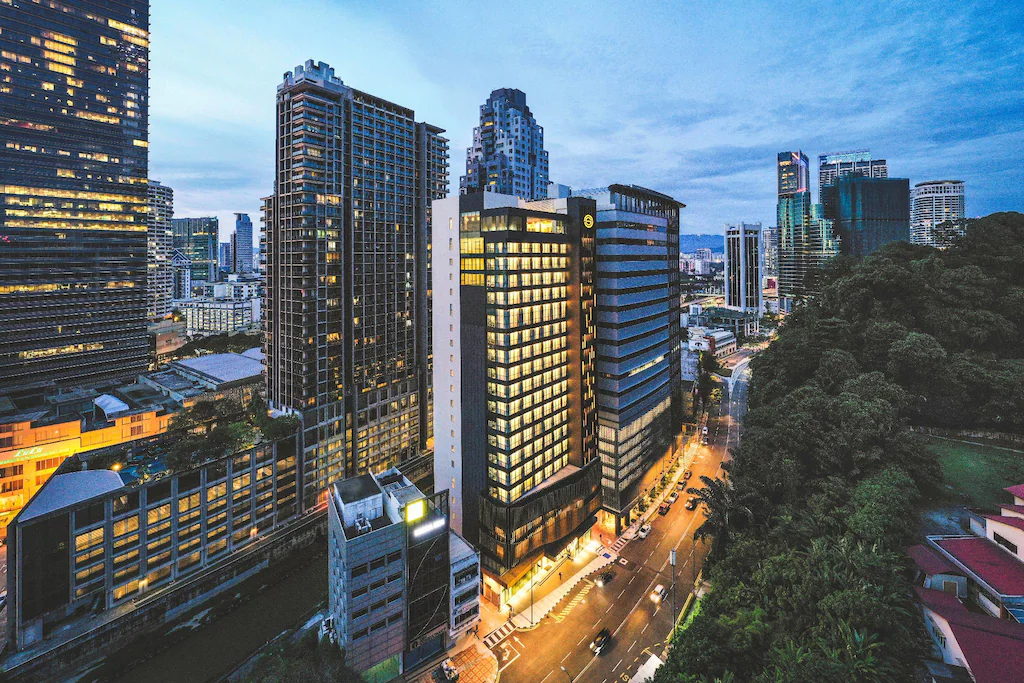
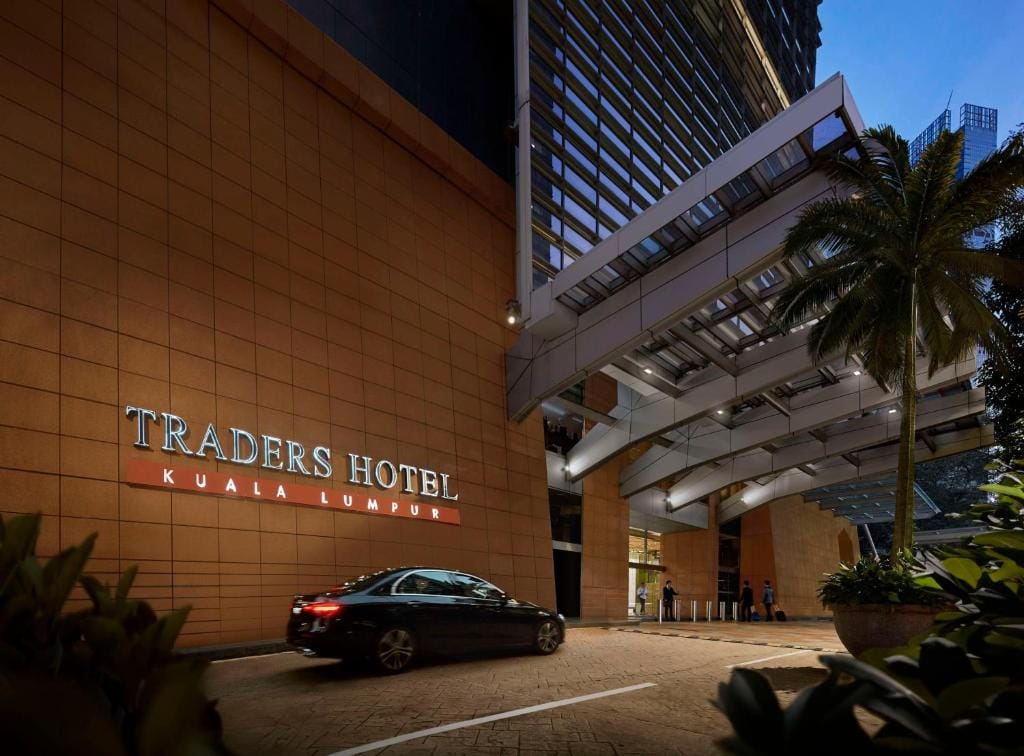
Suggested Hotel/Accommodation

This full-day private tour to Malacca is one I always describe as a journey back through layers of time. It’s an easy drive from Kuala Lumpur, and as the city fades behind us, the pace naturally slows—perfect for a place where history is meant to be absorbed, not rushed.
We begin in the heart of the old town at Red (Dutch) Square, instantly recognizable by its terracotta-red buildings. Here, the former Stadthuys and Christ Church stand as reminders of the Dutch colonial era. It’s a lively area, yet deeply historical, and a great place to set the tone for Malacca’s multicultural past.
From there, we climb St. Paul’s Hill, a short walk that rewards you with panoramic views over the city and coastline. At the top lie the ruins of St. Paul’s Church, where history feels almost tangible. Just below the hill sits A Famosa Fort, one of the oldest surviving European structures in Southeast Asia. Though only a gate remains, it powerfully symbolizes Malacca’s role as a once-great trading port fought over by empires.
Next, we step into Cheng Hoon Teng Temple, the oldest Chinese temple in Malaysia. Still actively used today, it blends Taoist, Buddhist, and Confucian elements, reflecting the spiritual harmony of early Chinese settlers. Nearby, we visit the Baba & Nyonya Museum, where you’ll gain insight into Peranakan culture—a unique fusion of Chinese and Malay traditions. Walking through this beautifully preserved townhouse feels like stepping into a different century.
As midday approaches, we head to Jonker Street, the soul of Malacca’s old town. By day, it’s full of heritage shops, cafés, and antique stores; by weekend afternoons, it buzzes with life and flavour. It’s a wonderful place to wander, sample local treats, or simply watch the world go by.
To slow things down, we then enjoy a Malacca River Cruise. Gliding past old warehouses, colourful murals, and restored buildings offers a completely different perspective of the city, revealing how the river once shaped Malacca’s trading history.
We end the day with a serene photo stop at the Malacca Straits Floating Mosque, especially beautiful as the light softens toward evening. With the sea as its backdrop, it’s a peaceful and fitting finale—leaving you with lasting impressions of a city shaped by centuries of culture, trade, and coexistence.
This morning, I like to start Kuala Lumpur gently, before the city fully wakes up. We begin with a brisk walk around KLCC Park, where the greenery frames the Petronas Twin Towers in different ways from the ground. From each angle, the towers feel slightly different—sometimes towering and dramatic, sometimes surprisingly elegant. It’s the best way to appreciate the city’s modern face before diving into its older layers.
From here, we drive through Kampung Baru, a rare pocket of traditional Malay village life sitting right in the shadow of skyscrapers. Despite years of debate and development pressure, this community still stands. Wooden houses, small mosques, and local food stalls coexist with the city skyline, offering a powerful contrast and a glimpse into Kuala Lumpur’s roots.
Our next photo stop is at Istana Negara, the King’s Palace. From the gates, I usually explain Malaysia’s unique rotating monarchy system—something many visitors find fascinating. Even without entering, the scale and symbolism of the palace give a sense of the country’s royal heritage.
A short drive takes us through the Kuala Lumpur Botanical Garden, a welcome patch of calm in the city. If time allows, we stop at the National Mosque, where the modernist design and blue dome reflect Malaysia’s Islamic identity. Just nearby, a short walk brings us to the Old Railway Station, one of the city’s most charming colonial buildings, blending Eastern and Western architectural styles.
Next, we head up to Thean Hou Temple, perched on a hill overlooking the city. This temple is not only visually stunning but deeply symbolic. Its intricate carvings, colourful details, and peaceful atmosphere highlight Kuala Lumpur’s Chinese heritage, while the panoramic city views invite a quiet moment of reflection.
In the afternoon, we begin the Kuala Lumpur Heritage Trail on foot. Starting at Petaling Street, the heart of Chinatown, we walk past bustling stalls and century-old shophouses toward Old Market Square, where colonial-era buildings tell the story of the city’s early days. From there, we follow the River of Life, a beautifully revitalized waterfront at the meeting point of the Klang and Gombak rivers—the birthplace of Kuala Lumpur itself.
Our walk continues to Masjid Jamek, one of the city’s oldest mosques. Its Moorish-style arches and domes stand in striking contrast to the surrounding skyscrapers. Just steps away is Merdeka Square (Dataran Merdeka), the symbolic heart of the nation. Facing the square is the grand Sultan Abdul Samad Building, completed in 1897, with its iconic clock tower and copper domes.
We conclude the day at Central Market, where you’re free to explore, shop, or simply relax before the transfer back to your hotel—ending a day that reveals Kuala Lumpur not just as a modern capital, but as a city shaped by many stories.
This day is designed to ease you in before it slowly builds into something quite magical. The morning is yours—sleep in a little, enjoy the hotel, or wander the city at your own pace. I always tell travelers this free time matters; it lets you recharge before the afternoon journey begins.
Later in the day, we set off toward Kuala Selangor, with our first stop at one of Malaysia’s most iconic landmarks—Batu Caves. Long before you reach it, you’ll spot the towering golden statue of Lord Murugan, standing guard at the base of the limestone hill. The colourful staircase leading up to the Temple Cave is impossible to miss, each step painted in bright hues. As we climb, the city noise fades, replaced by chanting, temple bells, and the echo of footsteps inside the vast cave chamber. It’s a place that feels both sacred and alive.
From there, we continue to the Sri Shakti Devasthanam Temple, a lesser-known gem that often surprises visitors. Built strictly according to ancient Hindu scriptures, this temple is a masterpiece of craftsmanship. Every surface is adorned with intricate hand-carved stonework—deities, floral motifs, and mythological scenes layered in astonishing detail. I usually encourage guests to slow down here, because the beauty is in the details you notice only when you pause.
As the afternoon light softens, we head west toward the coast and make our way up Bukit Melawati. This historic hilltop was once a defensive fortress, and today it offers sweeping views of the coastline and the Selangor River below. You’ll see remnants of colonial-era structures scattered around the hill, but the real stars are the Silvered Leaf Monkeys. With their silvery fur and calm temperament, they’re surprisingly friendly and often happy to pose for photos—at a respectful distance, of course.
As evening approaches, we descend into a nearby local fishing village for dinner. This is where the pace slows again. Fresh seafood, simple cooking, and the quiet rhythm of village life create a relaxed, authentic atmosphere—very different from the city you left behind earlier in the day.
After dinner, the night delivers its finale at Kampung Kuantan Firefly Park. Boarding a small boat, we glide silently along the mangrove-lined river. Then, almost suddenly, the trees begin to sparkle. Thousands of fireflies blink in perfect rhythm, lighting up the darkness like floating stars. It’s one of those moments where everyone goes quiet—not because they’re told to, but because the experience speaks for itself.
It’s time to leave KL City, I usually remind travelers to enjoy the comfort of the hotel one last time—because the next chapter is a journey that slowly lifts you from the coast back into the cool embrace of the mountains. After check-out, we begin our approximately 4.5-hour drive to the Cameron Highlands, a route that shows just how dramatically Malaysia’s landscapes can change in a single day.
For the first half of the journey, we travel on the North–South Peninsula Highway, the country’s main artery. This stretch is smooth and efficient, cutting through lowland towns, palm plantations, and open countryside. It’s a relaxed drive, perfect for settling in, watching the scenery pass, and getting a sense of how connected Peninsular Malaysia really is.
The real transition begins when we exit the highway and turn onto the mountain road leading up to Cameron Highlands. Almost immediately, the air cools and the road narrows. The drive becomes slower and more winding, climbing steadily through dense rainforest. This is where many visitors start to feel the change—not just in temperature, but in atmosphere.
Our first stop is Lata Iskandar Waterfall, a popular and refreshing break along the way. The sound of rushing water greets you even before you step out of the vehicle. We take a short walk here—not a hike, just enough to stretch your legs, breathe in the fresh air, and capture a few photos. Nearby, local stalls line the road, selling simple snacks, drinks, and handicrafts. It’s a nice chance to support the local community and sample something quick and authentic.
A little further up the mountain, we stop to visit the Orang Asli, the indigenous people who have lived in these forested highlands for generations. This visit offers a brief but meaningful glimpse into a way of life closely tied to the jungle. I always encourage travelers to approach this experience with curiosity and respect—it’s less about sightseeing and more about understanding.
As we continue the climb, the scenery opens up, and suddenly the hills are covered in neat, green rows of tea. We pause at Bharat Tea for a photo stop, where the views are postcard-perfect. Just a short drive away is Sungai Palas Tea Plantation, where you can visit the tea factory to learn how the leaves are processed, or simply relax at the tea shop with a cup of freshly brewed local tea while overlooking the rolling hills.
By the time we reach the highlands and check into your chosen hotel, the air is noticeably cooler and quieter. The journey may take a few hours, but it’s never just about getting there—it’s about watching Malaysia rise, curve by curve, into one of its most refreshing landscapes.
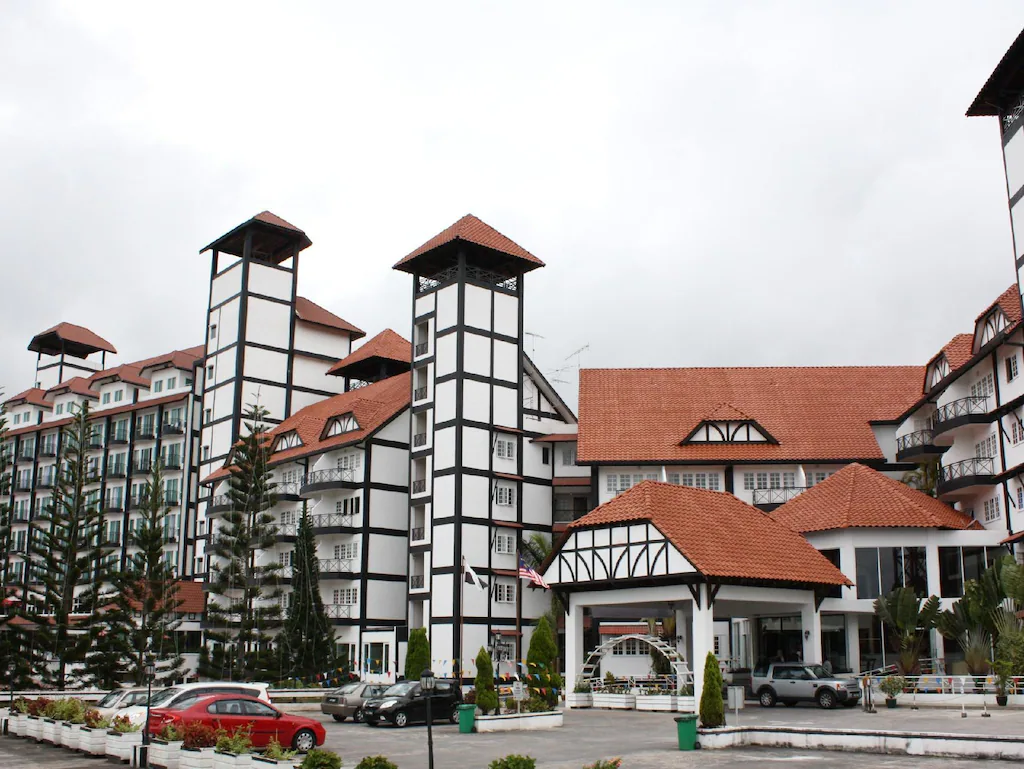
Suggested Hotel/Accommodation
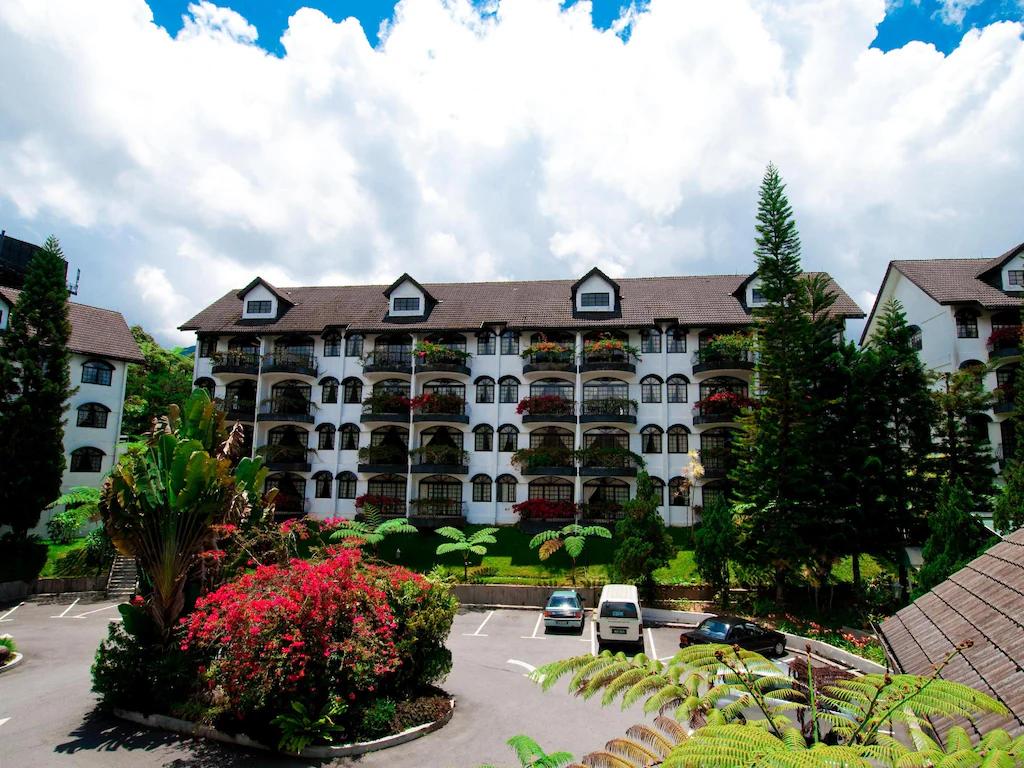
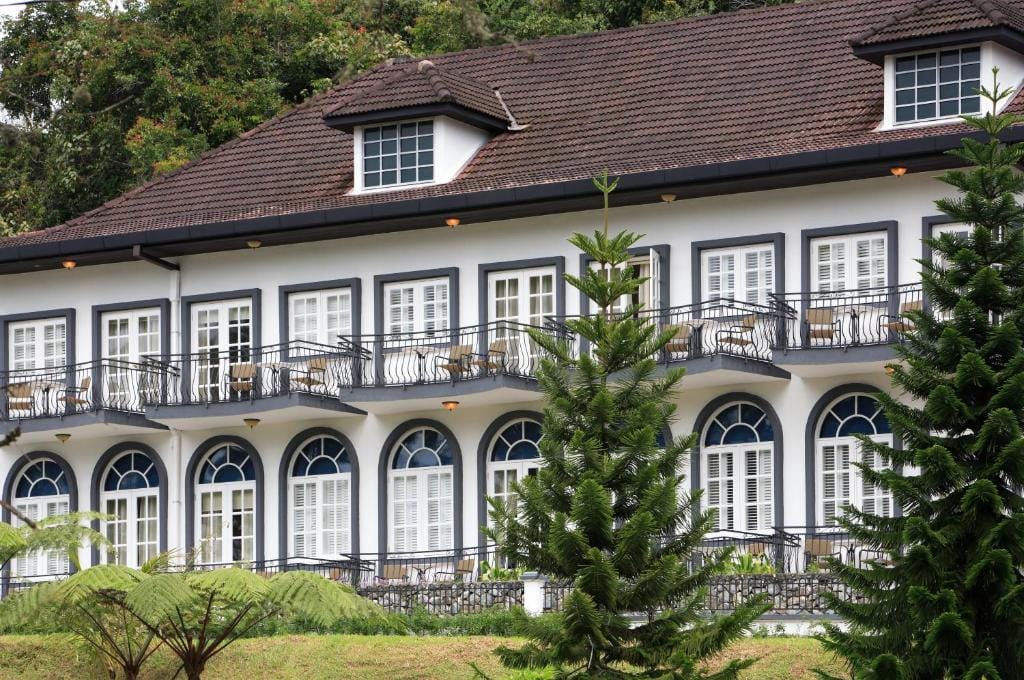
Start early in Cameron Highlands, when the air is still cool and the hills are wrapped in mist. Local small towns and vegetable farms stretch endlessly on both sides of the road, and for a while, everything feels calm and unhurried. As we drive downhill, you’ll notice the weather warming up and the scenery slowly shifting. The winding mountain roads give way to flatter land, and before you know it, you’re approaching Ipoh.
Ipoh is a city I like to introduce gently. Instead of heading straight into town, we detour to Sam Poh Tong, a cave temple hidden within towering limestone cliffs. Locals come here for quiet reflection, and travelers are often surprised by how peaceful it feels inside. Sunlight slips through the cave openings, lighting up the shrines and stone walls in a way that feels almost magical.
After that, we drive through old town Ipoh rather than stopping. This part of the city is full of character—heritage shophouses, old coffee shops, and streets that seem frozen in time. Even from the car, you can sense Ipoh’s charm and why so many Malaysians are fond of this town.
Continuing north, the drive becomes greener and calmer as we reach Kuala Kangsar, the royal town of Perak. This is where I always slow down. The highlight is the Ubudiah Mosque, widely considered one of the most beautiful mosques in Malaysia. Its golden domes shine against the sky, and the surrounding grounds are peaceful, almost regal, reflecting the town’s royal heritage.
From here, we make a special stop at Orang Utan Island. It’s not flashy, but it’s meaningful. The sanctuary focuses on conservation, and seeing these gentle creatures up close in a protected environment is often a quiet highlight for travelers.
Finally, we continue toward Penang. The roads get busier, the energy picks up, and soon we cross onto the island. Arriving in George Town, with its heritage buildings, street art, and food-filled streets, feels like the perfect ending. By the time you check into your hotel, you’ll realize this wasn’t just a drive—it was a story of Malaysia unfolding, one landscape and town at a time.
Suggested Hotel/Accommodation
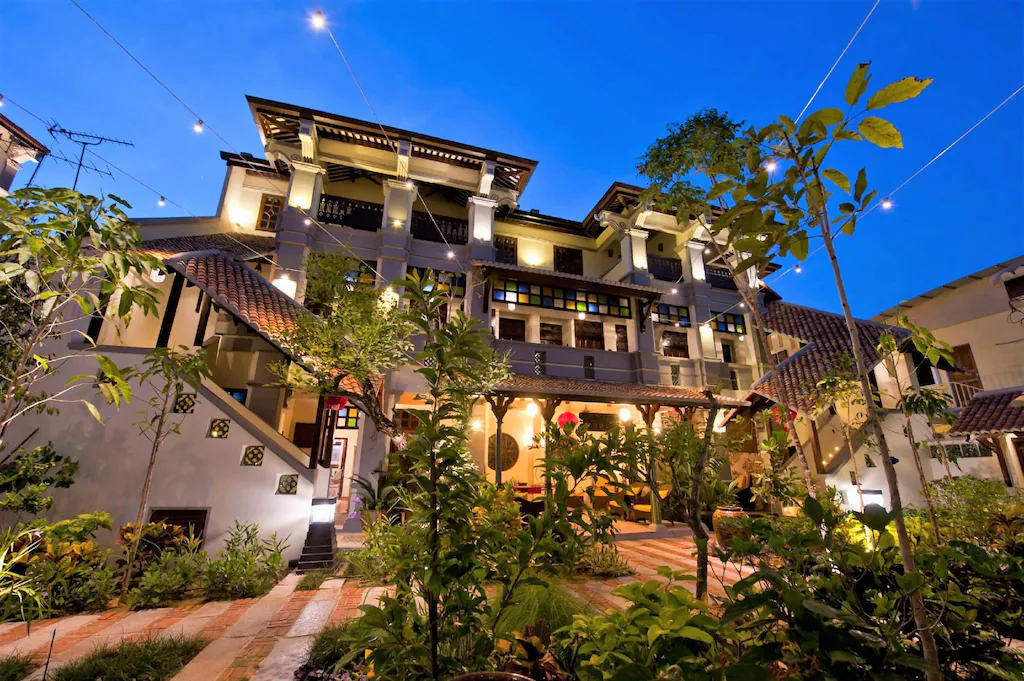
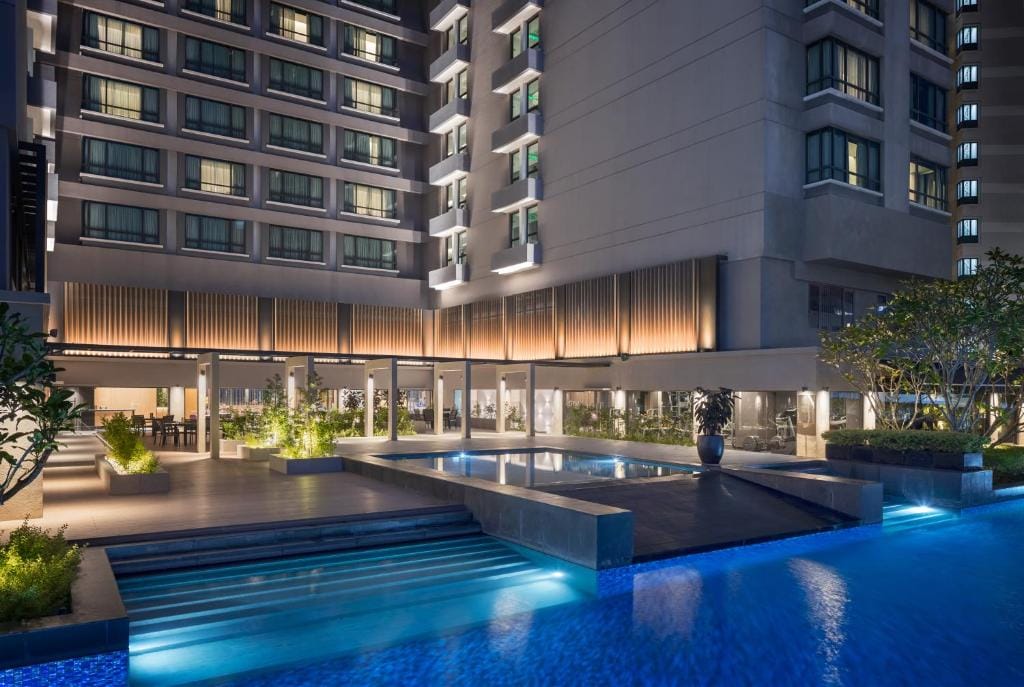
We begin in Air Itam, a neighbour hood that never seems to sleep. Before heading up to Kek Lok Si, I always bring visitors through the Air Itam market. This is where daily life in Penang really shows itself—stalls crowded with fresh vegetables, fruit piled high in baskets, the sound of hawkers calling out prices, and the irresistible smell of local snacks and spices. It’s busy, sometimes chaotic, but full of character. I like to say if you can understand Air Itam, you’re already starting to understand Penang.
Just above the market sits Kek Lok Si Temple, the largest Buddhist temple complex in Malaysia. As we make our way up, the atmosphere changes completely. The noise fades, replaced by bells, incense, and wide views over George Town. The temple itself is a blend of Chinese, Thai, and Burmese influences, and I always point out how that reflects Penang’s multicultural roots. The towering statue of the Goddess of Mercy watches over the island, and from the upper levels, you get one of the best panoramic views in Penang.
From there, we head back toward town to visit Wat Chaiyamangalaram, the Thai Temple. It’s famous for its enormous reclining Buddha, but what I enjoy sharing is the contrast—how this peaceful Thai sanctuary sits just across the road from a Burmese temple, quietly symbolizing how different cultures have coexisted here for generations. The colours are vibrant, the murals detailed, and the atmosphere calm and welcoming.
Next, we move on to one of Penang’s most distinctive sights—the Chinese jetty village. Built on stilts over the water, these wooden walkways and houses were once home to clan-based communities of early settlers. Walking along the jetty feels like stepping into another time. You’ll see family altars, small homes, and daily life unfolding over the sea, all with modern Penang rising in the background.
From there, it’s a short walk to Armenian Street, where Penang’s creative side comes alive. The famous street art isn’t just for photos—it tells stories of childhood, heritage, and everyday life. Just around the corner, Little India bursts with colour, music, and the scent of spices, offering yet another layer of Penang’s identity.
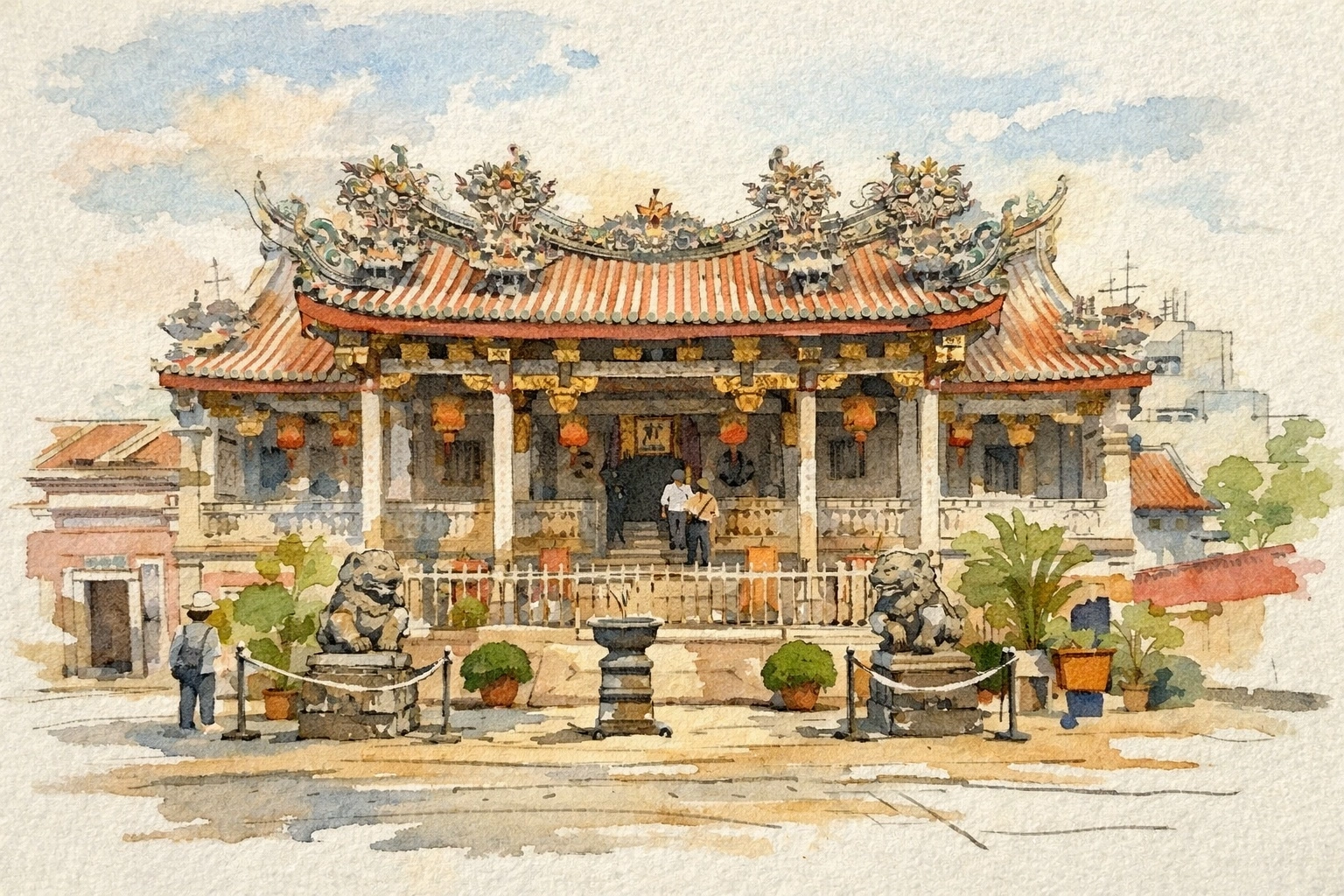
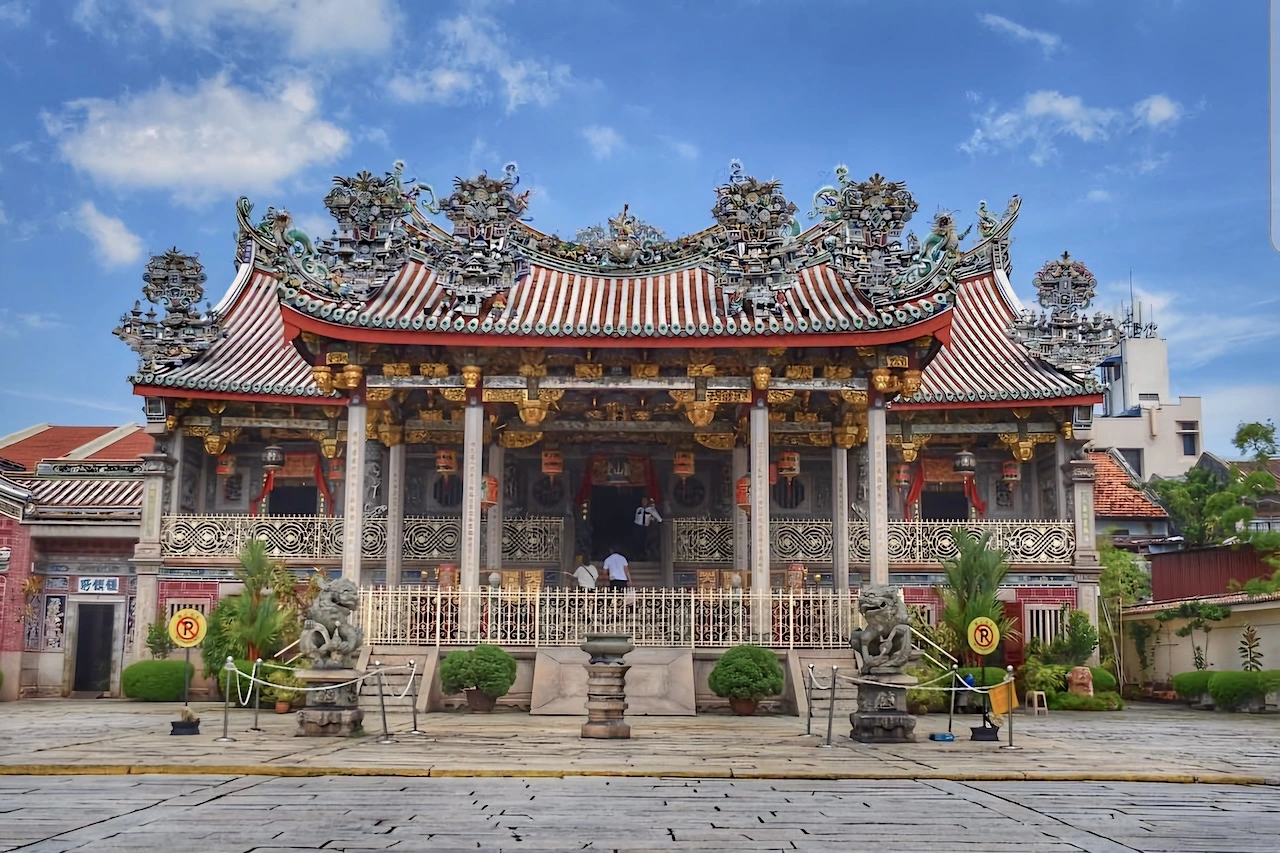
We end the day at Khoo Kongsi, one of the most impressive clan houses in Southeast Asia. Its intricate carvings, gilded details, and rich history tie everything together. By the time we leave, most visitors realize Penang isn’t just a place you see—it’s a place you slowly come to understand.
Free at leisure until check out time for a transfer to Penang International airport for your next destination
Info
Rates
Additional Activity
FAQ’s
What is overland-trip?
An overland trip is a journey where you travel by road from one destination to another, instead of flying between cities. It’s not just about getting from point A to point B—it’s about everything you experience in between.
In Malaysia, overland trips are especially rewarding because the country is compact, scenic, and well connected. You might start in a busy city, pass through small towns, countryside, plantations, and coastal roads, and end up somewhere completely different in atmosphere—all in a single day. Along the way, we can stop for local food, cultural sites, nature spots, or places that most people would never see if they flew.
Unlike a standard transfer, an overland trip is unhurried and flexible. We can take breaks, make detours, stretch our legs, take photos, or adjust the pace to suit you. It’s ideal for travelers who enjoy seeing the real character of a country rather than just its highlights.
Think of an overland trip as traveling through the story of a place, not skipping chapters. You don’t just arrive—you understand how the landscapes change, how people live, and how cultures blend from one region to another. For many of my guests, these road journeys become some of the most memorable parts of their time in Malaysia.
How to arrange other activity/excursion?
Some activities such as jungle trekking, boating, or nature excursions require licensed guides, permits, and activity-specific insurance, which I will note in the itinerary and are best arranged through authorized operators. These experiences are commonly and conveniently booked online, with hotel concierge services, or directly at the destination. This ensures guests receive certified guidance, meet safety and regulatory requirements, and have access to the most up-to-date availability and conditions.
Why is hotel/accommodation not incuded in the itinerary?
To give guests full flexibility and transparency, my service focuses solely on chauffeur-driven transportation and guided tours. However travelers could see the ‘suggested hotel/accommodation’ section which I carefully choose with consideration of the surrounding, traffics and other factors. This also allows travelers to choose accommodations that suit their own budget, preferences, and existing bookings, while ensuring clear pricing and a high-quality travel experience led by local experts.
Suggested hotel/accommodation criteria?
The suggested hotels/accommodations that I propose is carefully considering few factors based on my experience as locals, and also from the previous feedback from my past guest comments. Factors such as the vicinity/surrounding that within walking distance, other facility such as atm’s, foods, attractions, public transportation, traffic conditions and safety.